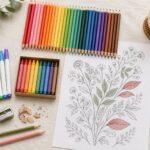
Bunnies, Easter eggs, and flower gardens — these rabbit pages are all soft and sweet. Little ones get big-eyed cartoon bunnies with simple shapes, while older kids get realistic rabbits with fluffy fur texture.
About Rabbits
Rabbits are small grazing mammals with famously long ears that can swivel almost all the way around to catch sounds from every direction, helping them stay safe in open fields. Their strong back legs are built for sudden hops and zigzag escapes, their eyes sit high on the sides of the head for a wide view of the sky, and their teeth never stop growing, worn down naturally by constant nibbling on hay and grasses. A happy rabbit may leap and twist midair in a joyful jump people call a binky.
Wild rabbits live in underground burrow systems called warrens, while pet rabbits thrive indoors as gentle, litter-trainable companions that can live ten years or more. Their coats offer lovely coloring variety: wild agouti brown flecked with tan and black, snowy white, soft gray, black, orange, and spotted patterns where color breaks across white fur. Holland Lops wear floppy ears that hang beside their cheeks, Rex rabbits feel like velvet, and giant Flemish rabbits can outweigh a small dog. A rabbit’s nose wiggles constantly as it samples the air for interesting smells.
Get new coloring pages sent to your inbox!
Sign up and get our free 10-page Printable Favorites pack.
All 12 Rabbit Coloring Pages
Scroll down to browse every page below, or use the Print button under any image to print just that page.

A cute bunny with big eyes and a bow tie sitting among leaves and flowers. Medium — great for kids.
Bow ties make this bunny a little gentleman or lady: try a soft gray or warm brown coat with a bow tie in bold red, teal, or polka-dot pink. Leaves and flowers around the sitting bunny suit natural greens with a few bright blooms in coral or yellow, keeping the big eyes dark and friendly above that dapper neckwear.
Kids can make the bow tie the pattern lesson: color it in stripes, dots, or checks by dividing it into simple sections. Shade the fur lightly under the chin so the bow sits on top of the chest convincingly, and repeat the bow's main color in one nearby flower to tie the whole garden scene together.

A realistic rabbit in profile with detailed fur texture, long whiskers, and tall ears. Medium — great for kids.
Realistic profile views reward natural agouti coloring: a base of warm brown, with individual fur strokes in tan, dark brown, and a little black over the back. Tall ears show pink inside with fine veins left pale, long whiskers stay uncolored or light gray, and the eye should be deep brown and calm in profile.
Fur texture is built stroke by stroke here: use short overlapping pencil strokes following the body's curves, denser and darker along the back, sparser on the belly. Keep whiskers crisp by coloring around them rather than over them, and add the softest shadow beneath the rabbit so the profile sits believably on the ground.

A cute bunny with floppy ears sitting among decorated Easter eggs. Medium — great for kids.
Easter scenes are a pastel celebration: a white or cream floppy-eared bunny among decorated eggs in pink, mint, lavender, and sky blue, each egg carrying its own stripes, dots, or zigzags. Soft spring green beneath everything suggests new grass, and the bunny itself can stay mostly light so the rainbow of eggs shines around it.
Egg patterns are the playground for kids: decide each egg's design before coloring, then keep the bunny's shading very light for contrast. The floppy ears deserve slightly deeper color on their outer sides, and one egg in a bold, darker shade among the pastels will make the whole basket arrangement look professionally planned.

A cute bunny holding a little basket while sitting in a garden of blooming flowers. Medium — great for kids.
Basket-carrying bunnies belong in a blooming garden: a warm tan or gray bunny, a basket in woven browns with a colored handle ribbon, and flowers all around in pink, white, and gold. Keep the garden's greens varied, darker leaves behind the bunny and lighter new growth in front, so the little gardener stands forward from the flower beds.
Weave the basket visually by alternating light and dark brown on its horizontal bands, a simple pattern kids can follow row by row. Color the flowers nearest the bunny brightest and let the farthest stay paler, which creates a gentle depth, and finish with a soft shadow under the basket to show it is being held, not floating.

A smiling bunny close-up with huge eyes and tall ears, drawn in simple bold lines. Easy — best for toddlers.
Close-up simplicity with huge eyes is toddler gold: a plain white, gray, or honey bunny face with pink inner ears and a pink nose, all in big bold shapes. Nothing else competes on this page, so one soft color for the fur and careful pink details are plenty, and the tall ears can match or take a slightly deeper shade.
Big shapes and bold lines mean the thickest crayons work beautifully, and filling the tall ears without scribbling outside is a satisfying challenge. Try leaving the forehead and muzzle completely white even on a colored bunny, which looks natural, and add the eye highlights as two clean white dots for maximum cute at first glance.

A cute bunny with long whiskers, big eyes, and floppy ears in a simple close-up. Easy — best for toddlers.
Whiskers lead this floppy-eared close-up: a soft cream or light gray coat keeps those long whiskers visible, so color them in fine gray or leave them white against a slightly deeper face shade. Floppy ears can be a touch darker than the head, with pink showing inside, and big eyes in deep brown complete the gentle expression.
Whisker care is the technique: color the face first in smooth light layers, then draw over the whisker lines gently with a sharp gray pencil if they faded. Because this one is simple and bold, little colorists can manage it, especially if a grown-up suggests coloring the ears a different soft color from the face for fun.

A bunny with a bow tie and big eyes sitting next to a small leaf. Easy — best for toddlers.
Another bow tie, this time beside a small leaf, invites a slightly different scheme: a warm orange-brown or snowy white bunny, bow tie in spring green or sky blue, and the single leaf in rich green with a lighter center vein. Keeping the rest of the page open makes that one leaf feel like a treasure the bunny has found.
Single details carry simple pages, so give the leaf your best work: shade it darker at the edges and light along the middle, and it will look freshly picked. Toddlers can fill the big bunny shapes with chunky crayons, and the bow tie's knot should match its loops exactly, like a real tied bow would do.

A cheerful bunny wearing a ribbon collar, with big eyes and tall ears. Easy — best for toddlers.
Ribbon collars suggest a beloved pet portrait: a soft gray or black bunny whose ribbon, in satin red or purple with a lighter shine stripe, becomes the jewel of the page. Tall ears frame the cheerful face, pink inside, and with no scenery the fur itself can carry gentle shading from light cheeks to slightly deeper ears and back.
Ribbon shine is a lovely trick for little artists: leave a thin white band across one loop of the ribbon uncolored, and it instantly looks like glossy satin. Color the collar area of fur slightly darker beneath the ribbon so it appears to rest on the neck, and keep the tall ears' tips lightest where light would catch them.

A simple cute bunny with big eyes and upright ears — all big easy shapes. Easy — best for toddlers.
Pure simple bunny, all big easy shapes: this is the page for a first favorite color, whether that is realistic soft brown, snowy white, or full rainbow imagination. Upright ears can be pink inside, the nose pink, and absolutely everything else can be one happy shade, because the charm here is in the clean, friendly outline itself.
Confidence-building is the goal, so use the biggest crayons and celebrate a finish in just a few minutes. A fun variation for toddlers is coloring each ear a different color, or adding drawn grass and a carrot in the empty space afterward, since this simple bunny welcomes whatever world its colorist wants to build around it.

A bunny with long whiskers sitting between two blooming flowers. Medium — great for kids.
Sitting between two blooming flowers, this whiskered bunny suits a balanced garden palette: gray or brown fur, flowers in matching pairs, perhaps both pink or one pink and one gold, with fresh greens below. The symmetry of the flowers frames the face, so keep the bunny's coloring calm and even to hold the center peacefully.
Kids can mirror the flower colors deliberately, petal for petal, which makes the picture feel composed like a storybook illustration. Whiskers need the light-touch treatment again, colored around and redrawn fine if needed, and a slightly darker patch of green directly under the bunny anchors it between its two floral bookends nicely.

A happy bunny wearing a bow, surrounded by big blooming flowers. Medium — great for kids.
Bows among big blooming flowers call for a garden-party look: a cream or light tan bunny with a bow in rose pink or lavender, surrounded by oversized blooms in coral, magenta, and butter yellow. Big flowers can each take two tones, darker at the centers, while the bunny stays softer so it nestles into the bouquet instead of competing.
Oversized flowers are a shading gift: color each petal lighter at its tip and deeper where it meets the center, and the blooms puff up roundly. Place the bow's color in at least one flower as well, a classic coordinating trick, and shade a soft green shadow beneath the bunny where it sits tucked among the stems.

A smiling bunny with extra-tall ears and a tiny tooth showing. Easy — best for toddlers.
Extra-tall ears and a tiny tooth are pure character: try a warm gray or soft black coat so the little white tooth shows clearly, with pink inner ears running the full height of those remarkable ears. The smile is the story, so keep the face light around the mouth and let that one small tooth stay the brightest white on the page.
Tall ears give kids a satisfying big area to fill smoothly, so long strokes from base to tip keep them even. Add a slightly darker shade inside the ear's lower curve for depth, leave the tooth until last and protect it from stray color, and those huge ears will frame the goofiest, happiest grin in the whole set.
Coloring Tips for Rabbits
- Leave the body white or light gray and color just the ears pink inside — classic bunny look with minimal effort.
- Try brown, gray, or even black bunnies; real rabbits come in all those colors, and dark fur pops on white paper.
- Color the Easter eggs in bright contrasting patterns — zigzags, dots, and stripes — next to a plain bunny.
- Use pink for the nose and inner ears, then shade the fur with light gray colored pencil for softness.
- For the realistic rabbit, colored pencils beat markers — they blend the fur texture without harsh lines.
FAQ
Can I use these in my classroom?
Yes — free for personal and classroom use.
What size paper should I print on?
US Letter (8.5x11) works best; A4 is fine with fit-to-page enabled. Each coloring page below has its own Download and Print buttons.
Why do rabbits have such long ears?
Long ears work like satellite dishes, catching faint sounds from far away so a rabbit can hear danger early and run. Each ear can turn on its own toward a noise. Ears also release body heat on warm days. Lop rabbits are the exception, bred for ears that flop down beside their cheeks.
More Coloring Pages You'll Love
If you enjoyed these, try our Squirrels Coloring Pages, Hedgehog Coloring Pages, Deer Coloring Page, or Dog Coloring Pages next.